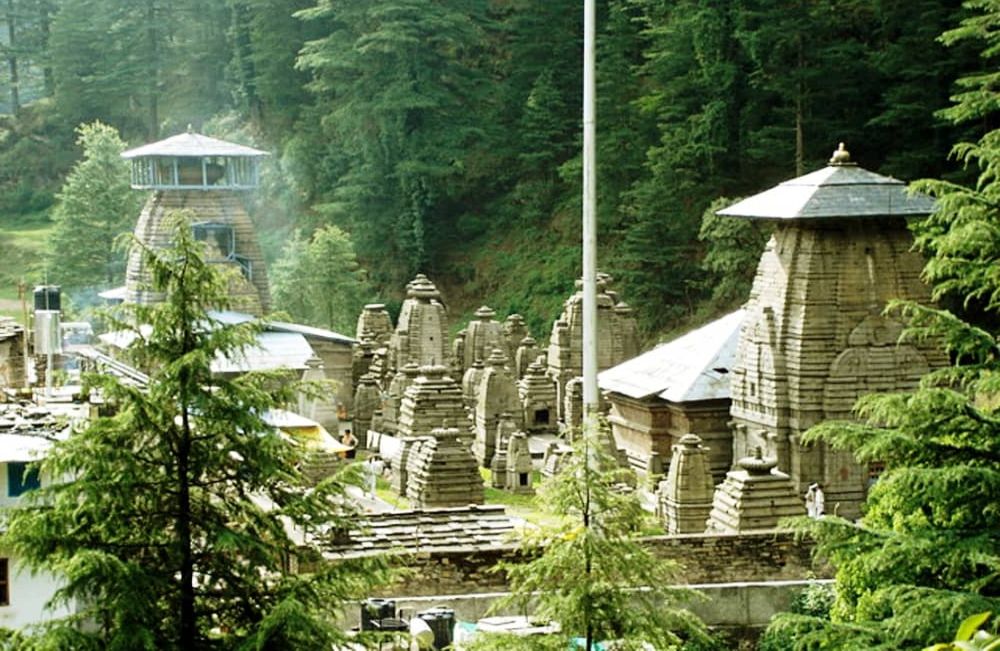
Jageshwar Dham
50 KM from M7 Guest House Located in the serene Kumaon region of Uttarakhand, Jageshwar Dham is one of the most important and ancient temple complexes in India, situated about 5–10 km from your guest house. The site comprises more than 100 beautifully carved stone temples, believed to have been constructed between the 7th and 12th centuries by the Katyuri and Chand dynasties.
These temples are primarily dedicated to Lord Shiva, with the main shrine known as Jageshwar Mahadev.Surrounded by thick deodar forests and nestled along the Jata Ganga river, the entire area has a tranquil and mystical atmosphere that attracts both pilgrims and nature lovers. Many devotees consider Jageshwar to be one of the sacred Jyotirlinga sites, adding to its spiritual significance. The temple complex is also known for its intricate stone carvings, ancient architecture, and sacred rituals performed daily.
Apart from religious importance, the location offers a refreshing escape into nature, where visitors can meditate, explore forest trails, and experience the peaceful Himalayan environment. Festivals like Maha Shivaratri are celebrated here with great devotion, drawing large numbers of pilgrims from across the country.
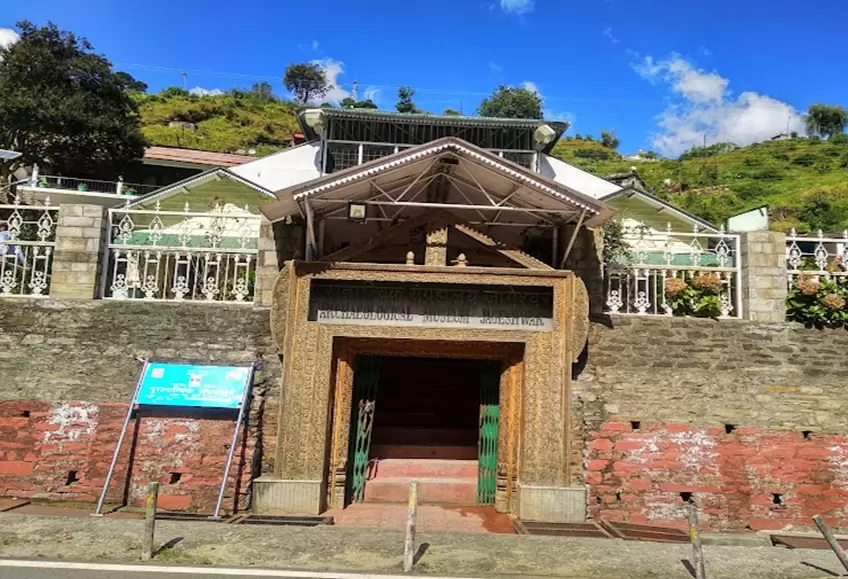
Jageshwar Archaeological Museum
50 KM from M7 Guest House and Restaurant The Jageshwar Archaeological Museum, located near the famous Jageshwar temple complex in Uttarakhand, is an important cultural and historical site maintained by the Archaeological Survey of India (ASI). This museum serves as a treasure house of ancient artifacts, sculptures, and inscriptions that have been collected from the Jageshwar region and surrounding areas over time. Most of the exhibits date back to the 7th–12th centuries, reflecting the rich heritage of the Katyuri and Chand dynasties.
Inside the museum, visitors can explore a remarkable collection of stone idols of Hindu deities such as Lord Shiva, Vishnu, Parvati, and other divine figures. These sculptures are known for their intricate craftsmanship, detailed carvings, and artistic excellence, showcasing the high level of skill possessed by ancient artisans. The museum also displays fragments of temple structures, inscriptions, and relics that help historians understand the evolution of temple architecture in the Kumaon region.
A visit to this museum provides deeper insight into the historical and religious significance of the Jageshwar temple complex. It is an ideal place for history enthusiasts, researchers, and tourists who wish to enrich their knowledge about ancient Indian art, culture, and traditions while exploring the spiritual landscape of Jageshwar.
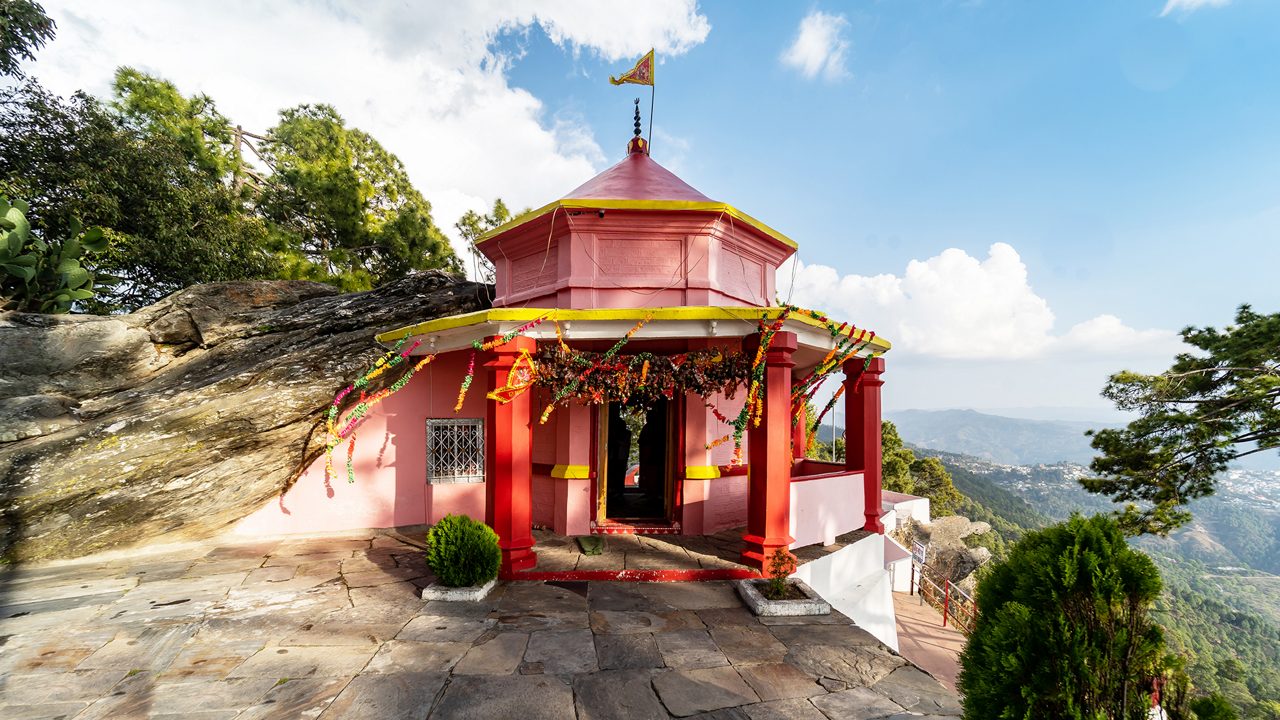
Kasar Devi Temple
50 KM from M7 Guest House and Restaurant Kasar Devi Temple is a highly revered and spiritually significant site located near Almora in Uttarakhand, around 15–20 km from your stay area. Dedicated to Goddess Kasar Devi, this ancient temple dates back to the 2nd century CE and holds immense religious and historical importance. The temple is situated on a scenic ridge of the Kumaon hills, offering breathtaking panoramic views of the Himalayas, especially during sunrise and sunset when peaks like Nanda Devi and Trishul are often visible.
What makes Kasar Devi especially unique is its reputation for strong geomagnetic energy, similar to places like Stonehenge in England and Machu Picchu in Peru. Because of this, it has long attracted spiritual seekers, yogis, artists, and international travelers who come here for meditation and inner peace. Famous personalities such as Swami Vivekananda are believed to have meditated in this region, further adding to its spiritual legacy.
The surrounding environment is calm, less commercialized, and rich in natural beauty, making it an ideal place for relaxation, trekking, and self-reflection. The peaceful ambiance combined with Himalayan views creates a deeply uplifting experience for visitors.
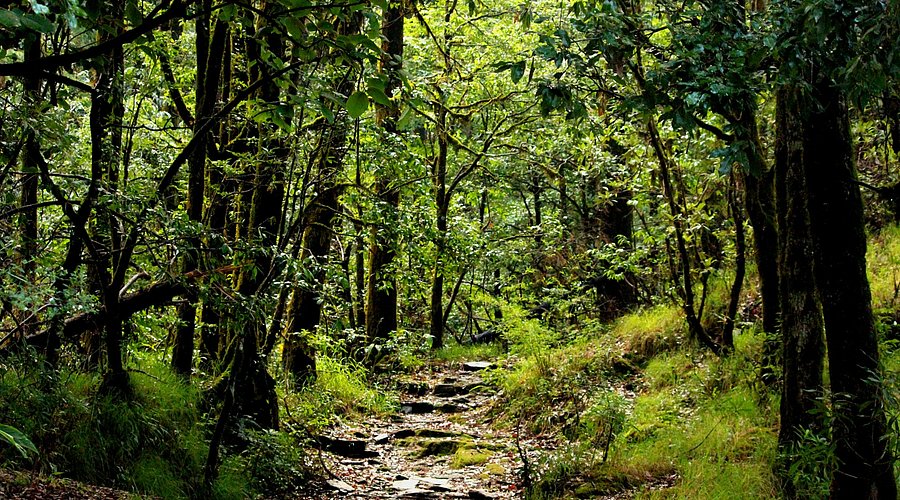
Binsar Wildlife Sanctuary
60 KM from M7 Guest House and Restaurant Binsar Wildlife Sanctuary is a beautiful protected forest area located around 25–30 km from your stay in the Jageshwar–Almora region of Uttarakhand. Spread across dense oak, rhododendron, pine, and deodar forests, it is one of the most peaceful and biodiverse natural zones in the Kumaon Himalayas. Established in 1988, the sanctuary was created to preserve the rich flora and fauna of the region and is also an important water catchment area for nearby villages.
The sanctuary is home to a variety of wildlife species such as barking deer, leopards, wild boars, Himalayan black bears, and numerous birds including Himalayan monal, woodpeckers, thrushes, and eagles, making it a paradise for birdwatchers and nature photographers. One of the biggest attractions inside Binsar is Zero Point, which offers a breathtaking 360-degree view of Himalayan peaks like Nanda Devi, Trishul, Kedarnath, and Panchachuli on clear days.
Binsar is also popular for trekking trails that pass through quiet forests, allowing visitors to experience untouched nature and fresh mountain air. The calm environment, minimal human interference, and stunning landscapes make it an ideal destination for nature lovers, adventure seekers, and anyone looking for peace away from city life.
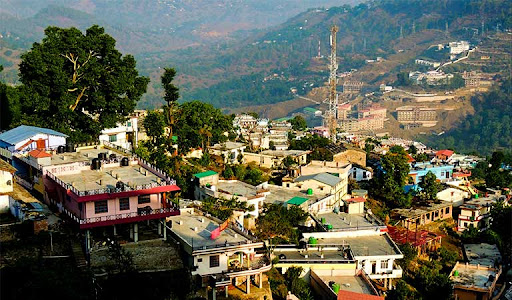
Almora Town
55 KM from M7 Guest House and Restaurant Almora Town is a charming and culturally rich hill station located around 20 km from your stay in the Jageshwar region of Uttarakhand. Nestled on a horseshoe-shaped ridge in the Kumaon Himalayas, Almora is known for its breathtaking views of snow-covered peaks like Nanda Devi, Trishul, and Panchachuli. The town has a long historical background, having been founded in 1568 by King Kalyan Chand of the Chand dynasty, and it still reflects its traditional Kumaoni heritage.
One of the most popular attractions in Almora is Lala Bazaar, a bustling market street where visitors can shop for local handicrafts, woolen clothes, copperware, and famous Kumaoni sweets like Bal Mithai and Singori. The town is also known for its cultural vibrancy, ancient temples, and peaceful environment, making it a favorite among travelers, artists, and writers.
Almora offers several viewpoints such as Bright End Corner and Simtola, which are perfect for sunrise and sunset experiences. The town also has cafes and homestays that give tourists a taste of local lifestyle. With its combination of natural beauty, cultural richness, and spiritual atmosphere, Almora serves as a gateway to exploring the entire Kumaon region.
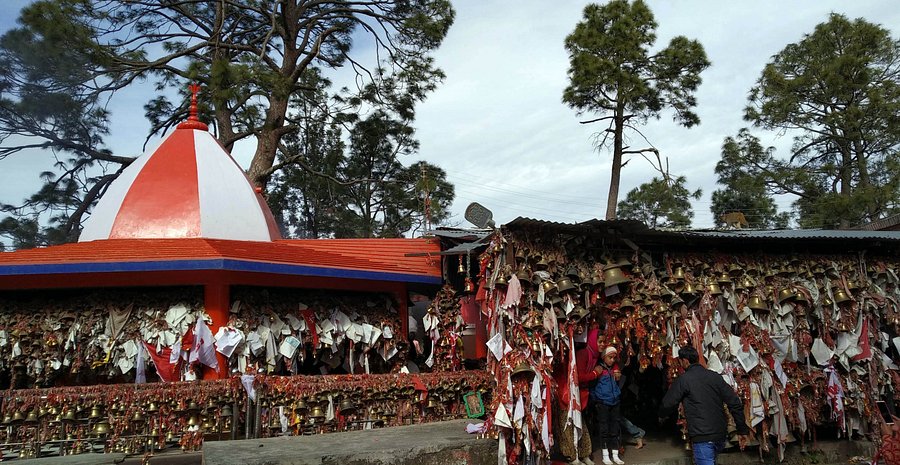
Chitai Golu Devta Temple
Chitai Golu Devta Temple is a highly revered shrine located near Almora in Uttarakhand, around 25 km from your stay area. Dedicated to Golu Devta, who is considered the God of Justice in the Kumaon region, this temple holds deep spiritual and emotional significance for local people as well as visitors. Devotees believe that Golu Devta listens to every sincere prayer and ensures justice is delivered in rightful matters, especially in disputes and personal grievances.
One of the most unique features of this temple is the thousands of bells hanging throughout the premises. Visitors who have their wishes fulfilled often return to offer a bell as a token of gratitude, creating a mesmerizing visual and spiritual atmosphere. Along with bells, devotees also submit written petitions addressed to the deity, which is a distinctive tradition not commonly found in other temples.
The temple is surrounded by peaceful natural scenery, enhancing its spiritual aura. The sound of bells ringing in the wind adds to the divine feeling experienced by pilgrims. Chitai Golu Devta Temple is not only a place of worship but also a symbol of faith, justice, and cultural heritage of the Kumaon region.
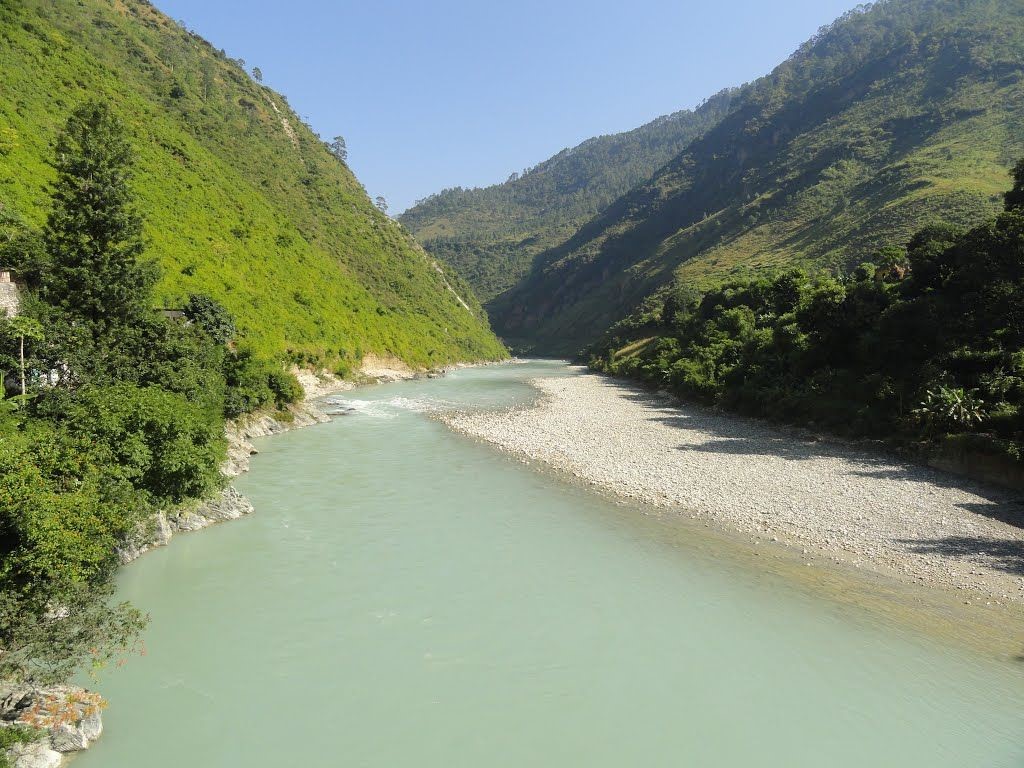
The Saryu River
2.5 KM from M7 Guest House The Saryu River (locally called Sarju or “Saru nadi”) is an important river in the Kumaon region of Uttarakhand. It originates in the higher Himalayan areas near Sarmul and flows through districts like Bageshwar and Almora before eventually joining the Kali River (also known as Sharda River). The river plays a crucial role in the lives of local communities by supporting agriculture, providing water for daily use, and sustaining the surrounding ecosystem.
The small town of Seraghat is situated along the banks of the Saryu River. It lies on the route connecting Almora to Pithoragarh and is known for its peaceful environment, lush green hills, and scenic river views. The area around Seraghat is rich in natural beauty, with terraced fields, pine forests, and traditional Kumaoni villages.
Culturally, the Saryu River is considered sacred by locals and is often associated with religious practices and regional traditions. During festivals and rituals, people gather along its banks for पूजा (worship) and ceremonies. Overall, the Saryu River near Seraghat represents both a natural lifeline and a cultural symbol of the Kumaon Himalayas.
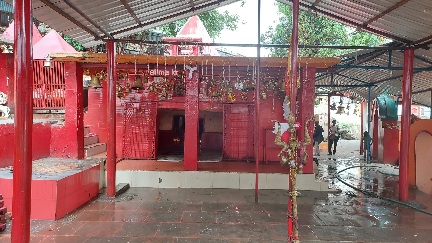
The Maa Kokila Mandir
75 KM from M7 Guest House The Maa Kokila Mandir is a respected Hindu temple located near Seraghat in the Kumaon region of Uttarakhand. The temple is dedicated to Maa Kokila Devi, who is believed to be a powerful manifestation of Goddess Durga. Local people have deep faith in the deity and consider her a protector who safeguards families and fulfills wishes. Many devotees visit the temple regularly to offer prayers, especially during important occasions in their lives.
The temple is situated in a scenic hill area overlooking the valley of the Saryu River, which adds to its peaceful and spiritual atmosphere. Surrounded by forests, mountains, and fresh Himalayan air, it provides a calm environment ideal for meditation and devotion. Visitors often describe the place as both spiritually uplifting and naturally beautiful.
During festivals like Navratri, the temple becomes a center of activity, attracting many pilgrims from nearby villages and towns. Traditional rituals, पूजा, and local cultural practices are performed with great devotion. Overall, Maa Kokila Mandir is not only a place of religious importance but also a symbol of local faith, culture, and natural beauty in the Kumaon Himalayas.
M7 Riverside
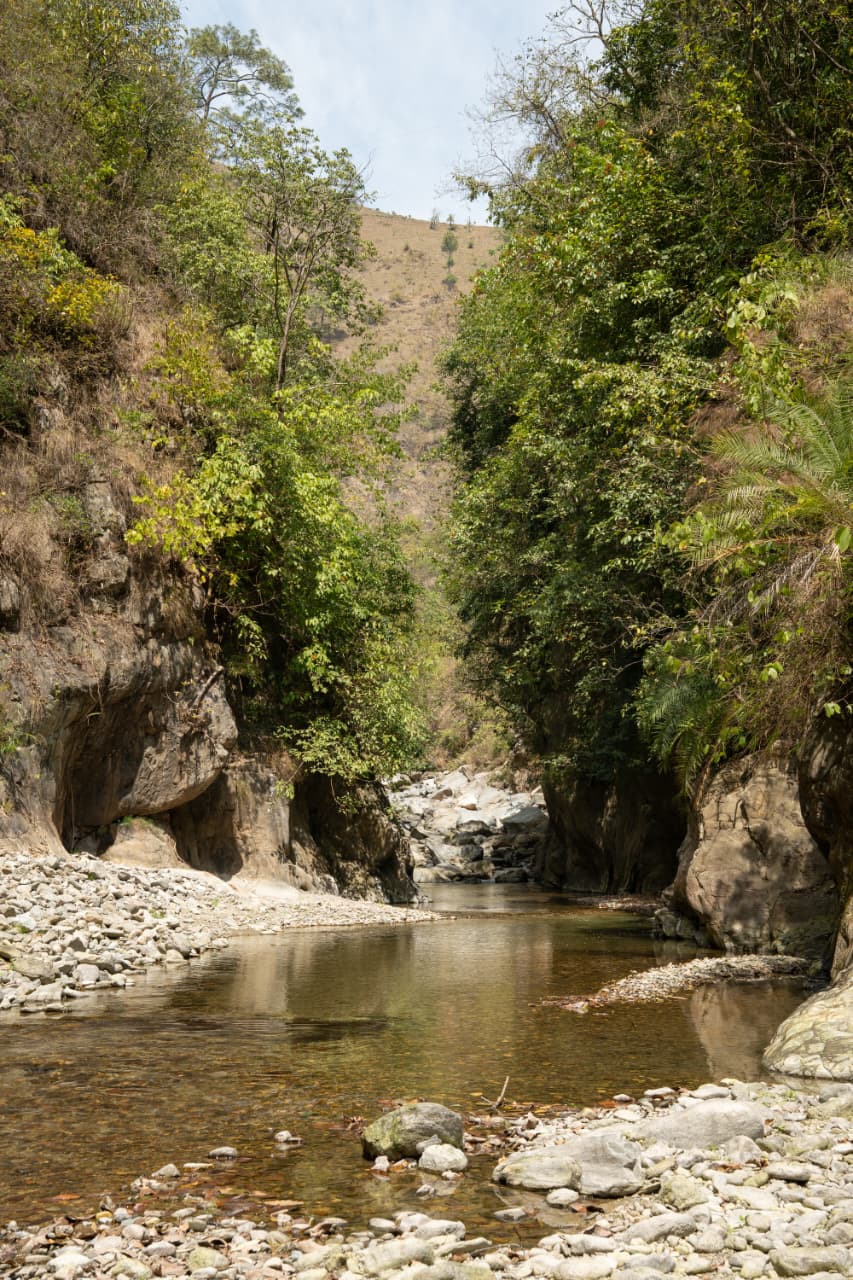
40 Meter from M7 Guest House The term “M7 Riverside” near Seraghat in Uttarakhand is not an officially recognized tourist destination, but it is commonly used by locals or travelers to describe a riverside spot along the Saryu River. The “M7” part may refer to a milestone, road marking, or a locally known point along the route rather than a formal name found on maps.
This riverside area is known for its natural beauty and peaceful environment. The Saryu River flows gently through the valley, surrounded by green hills, forests, and small villages. The sound of flowing water and the fresh mountain air create a calm and relaxing atmosphere, making it a perfect place for people who want to spend time close to nature. Locals sometimes visit the area for picnics, short breaks, or quiet reflection.
However, the place does not have developed tourist facilities such as restaurants or hotels, so visitors need to be prepared. During the monsoon season, the river’s water level can rise quickly, and currents may become strong, so caution is necessary. Overall, the “M7 Riverside” area represents a simple, untouched natural spot where visitors can experience the beauty of the Kumaon Himalayas without crowds or commercialization.
Adi Kailash Yatra Route
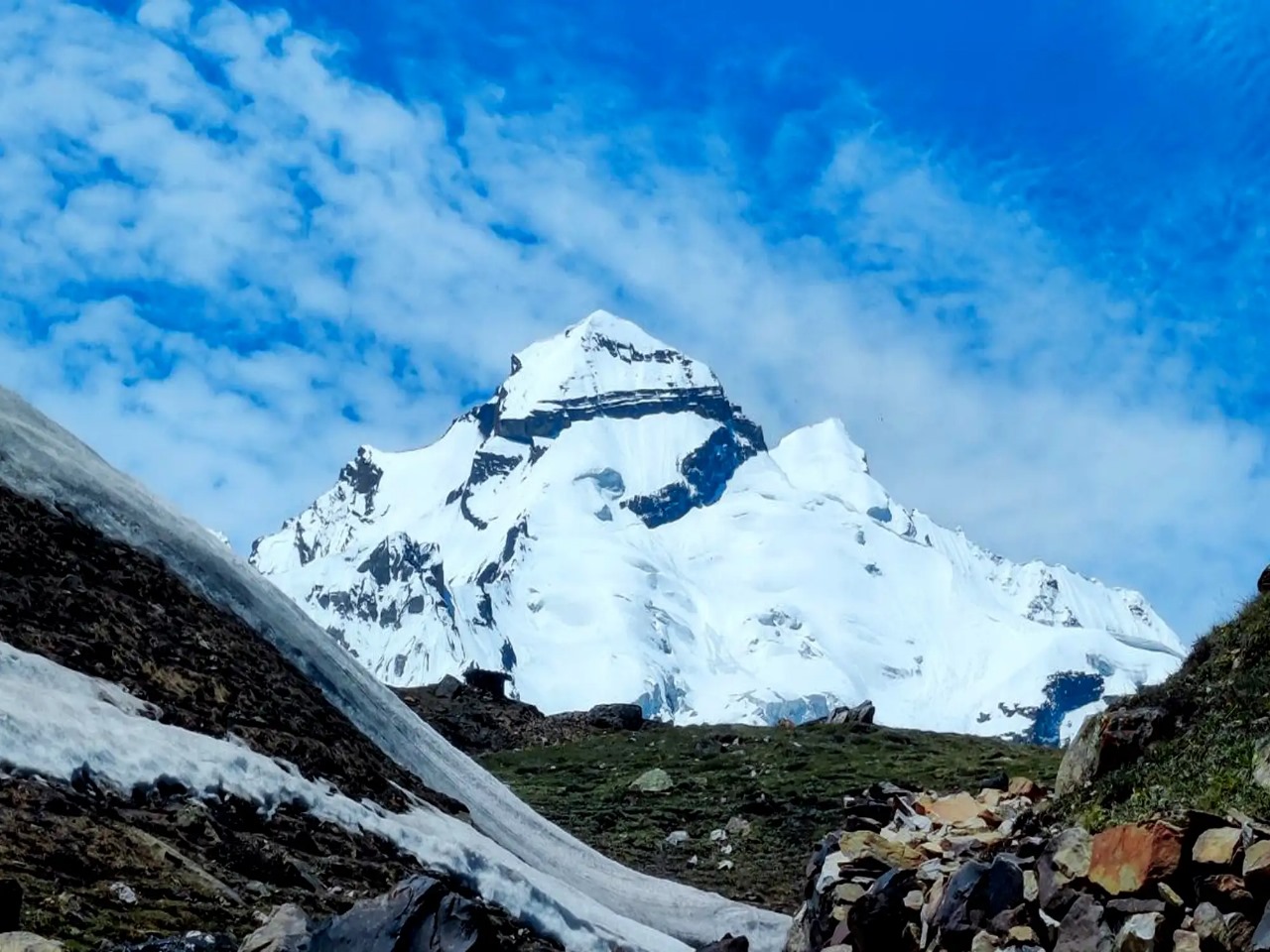
250 KM from M7 Guest House and Restaurant The Adi Kailash Yatra Route is one of the most sacred and adventurous pilgrimage journeys in the Kumaon region of Uttarakhand. Starting from Almora, the route generally passes through Pithoragarh, then Dharchula, followed by smaller Himalayan settlements like Tawaghat, Gunji, and finally reaches the base areas near Adi Kailash and Om Parvat. This journey is often referred to as “Chhota Kailash Yatra” because Adi Kailash is believed to resemble Mount Kailash in Tibet and holds deep religious significance for devotees of Lord Shiva.
The route offers an extraordinary combination of spirituality and natural beauty. Travelers pass through deep valleys, snow-clad peaks, river confluences, suspension bridges, and remote mountain villages that showcase the untouched lifestyle of the Himalayas. The journey is physically demanding due to high altitude and rough terrain, but it rewards visitors with breathtaking landscapes and a powerful spiritual experience.
Key stops like Dharchula and Gunji serve as important resting and acclimatization points. Due to its proximity to the India–China border, permits and proper documentation are required for the Yatra. Many pilgrims undertake this journey not only for religious devotion but also for adventure, self-discovery, and the experience of pristine Himalayan wilderness.